Adaptive Strength: Built for High-Functioning Agency
Professional coaching for amputees who want to train with purpose, protect their longevity, and reduce the physical friction of daily life. This isn't rehab—it's the pursuit of a body that thrives under load.
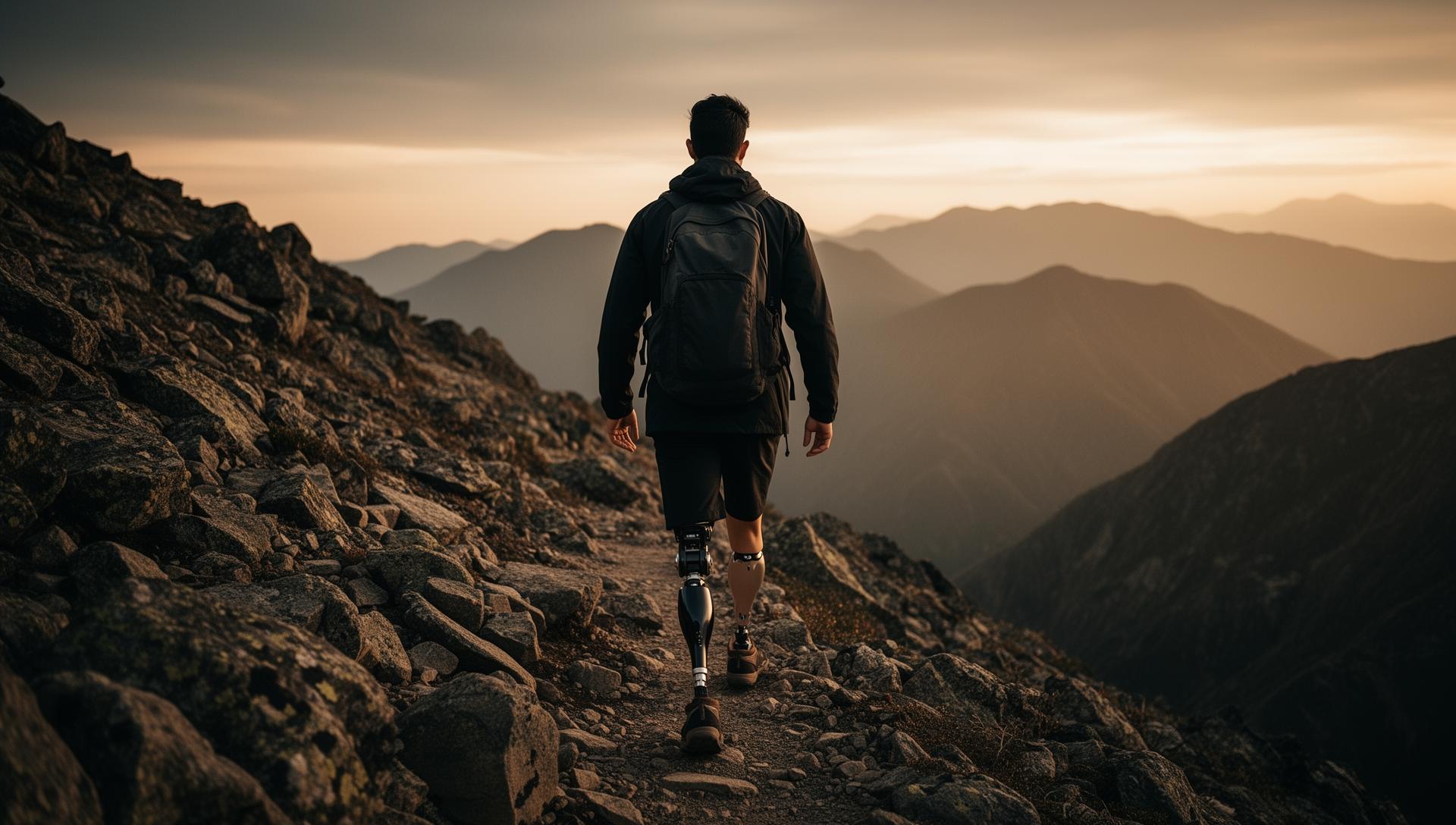
From One Amputee to Another
"After my accident in 2017, the path forward wasn't immediately clear. It was a slow, internal process of finding belief in what I could still do—and then methodically building the physical capacity to actually do it.
Between my year providing prosthetic care in Guatemala and thru-hiking the 2,650-mile PCT, I've learned that for an adaptive athlete, training is about more than just 'getting fit.' It's about the synergy between your body and your technology. It's about protecting your sound-side joints and maintaining the structural integrity of your core and back to compensate for the unique stresses we face.
I coach from the perspective of someone who has felt the hot spots, managed the volume, and navigated the miles. My goal is to help you build a body that doesn't just 'work' with a prosthetic, but thrives with it."
This is not rehab. This is a system for high-functioning agency.
What We Focus On
Mastering the Mechanical Interface
Your prosthetic is a variable, not a fixed point. Training focuses on understanding how your body responds to your device under load, fatigue, and changing conditions — so you can communicate more effectively with your prosthetist and move with greater confidence.
Reducing the Daily Drag
Sweat, skin health, and socket comfort are realities of daily life as an amputee. Training builds the physical durability and body awareness to better manage these variables — and to recognise when it's time to loop in your prosthetist or medical team.
Strength, Balance & Capacity
We build the strength, balance, and proprioception required for asymmetry, uneven terrain, and fatigue—so movement feels grounded rather than cautious.
Confidence & Resilience
Week by week, training shows you that your body can tolerate load, adapt, and recover. That evidence compounds, restoring trust and expanding what you're willing to attempt.
How Coaching Works
The structure
Discovery
We start with a comprehensive intake to understand your movement history, prosthetic use, current capacity, and goals. This establishes a clear baseline before training begins.
Training
You follow a fully individualized training program focused on strength, balance, gait integrity, and real-world capacity. Training is delivered in structured blocks through a coaching app.
Ongoing Support
Coaching continues as training unfolds. Regular check-ins, movement review, and program adjustments ensure training reflects how your body is actually responding.
What's Included
How the structure shows up week to week
- Fully individualized training program delivered through a coaching app
- Structured training blocks that evolve as your capacity does
- Weekly check-ins to track training, fatigue, skin health, and confidence
- Movement and gait video review with targeted technical feedback
- Program adjustments based on real-world response
- Direct messaging support (48-hour response window)
- Monthly live video call for deeper work, transitions, or goal resets
The goal is steady progress, reduced daily friction, and growing confidence—not perfection.
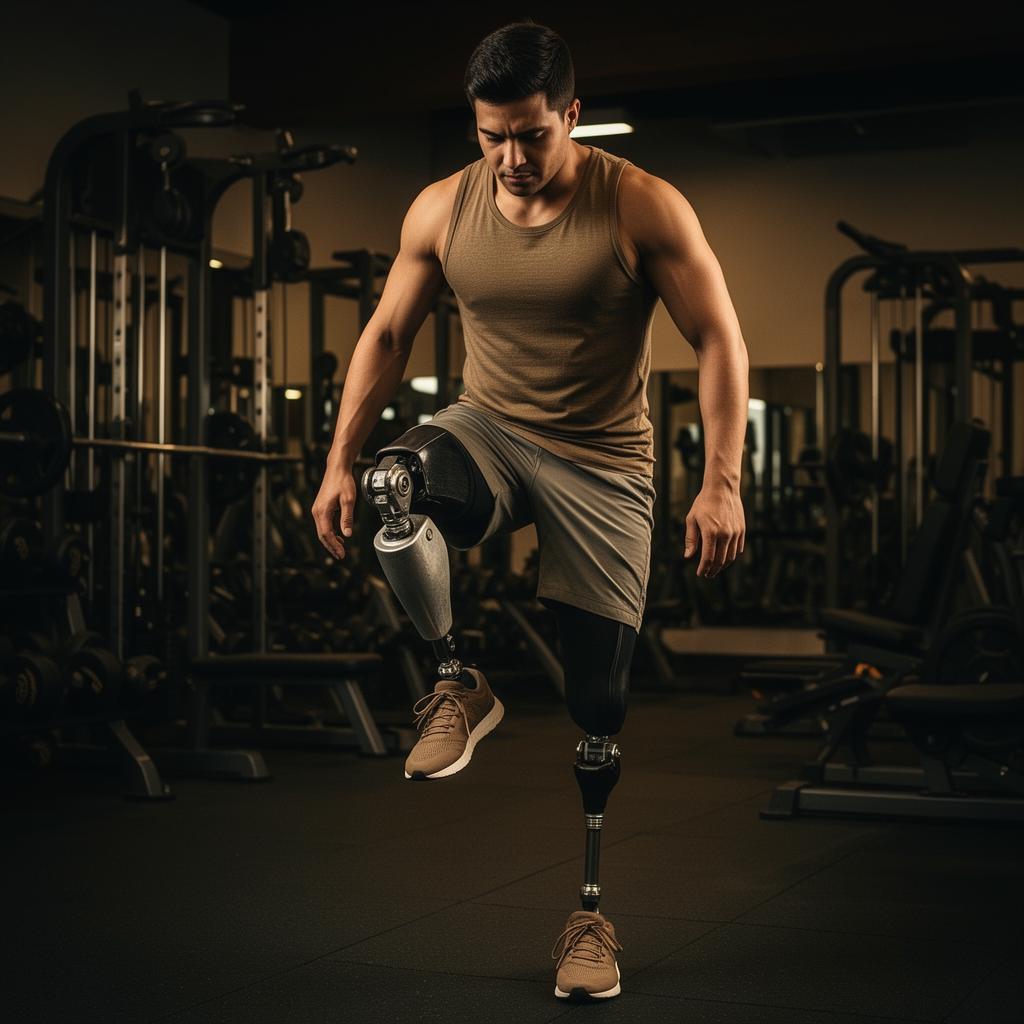
How I Fit Into Your Care Team
I work alongside your existing medical team — your physical therapist, prosthetist, and physician remain the leads on your clinical care. My role begins where rehab ends: building your strength, capacity, and confidence for the long term. I don't adjust your prosthetic or prescribe rehabilitation. I train your body to work better with your device, and I communicate with your care team about what I'm seeing in training. This collaborative approach means your progress is supported from every angle.
Who This Is For
- Amputees who want to feel capable and confident in their body
- People who want to return to activities they thought were behind them
- Those dealing with fatigue, balance issues, or movement limitations
- Anyone ready to invest in long-term capacity—not quick fixes
Who This Isn't For
- Those looking for 6-week transformation programs
- Anyone not cleared by their medical team for exercise
Common Questions

Bottom Line
This is coaching for amputees who want to build a capable life—not just manage a condition.
Training that reduces daily friction.
Support that adapts as your body does.
Progress you can trust and build on.
Coaching is informed by years of training, adapting, and living daily life as an amputee—not theory alone.
Apply for the Amputee Program
If this resonates with you, I'd like to hear your story. Fill out the form below and I'll be in touch within 48 hours.